
The Short Answer: Cost vs. Speed
For a typical 5,000 square foot Pittsburgh lawn, hydroseeding runs $1,000 to $1,500 installed. Sod for the same area runs $3,000 to $4,500. Sod gives you a usable lawn in two to three weeks; hydroseeding takes 8 to 12 weeks to fully establish but grows its roots in your own soil from day one. That is the trade in one sentence: sod buys speed, hydroseeding buys value and, on Pittsburgh's sloped lots, a lawn that anchors itself to the hill instead of sliding off it.
The rest of the decision comes down to your site, your timing, and how Pittsburgh's clay soil and grades treat each method.
What is Hydroseeding?
Hydroseeding sprays a slurry of seed, mulch, fertilizer, and tackifier onto prepared soil. This mixture creates optimal germination conditions, typically producing a lawn in 3-4 weeks during growing season.
Hydroseeding Advantages
- Cost-effective: 50-80% less expensive than sod for the same coverage
- Customizable seed mix: Choose grass varieties suited to your property's sun/shade conditions
- Stronger root development: Seeds grow roots directly in your soil from day one
- Better for large areas: Economical for lawns over 2,000 square feet
- Erosion control: Mulch component holds soil on slopes while grass establishes
Hydroseeding Considerations
- Establishment time: 3-4 weeks for initial growth, 8-12 weeks for full establishment
- Timing matters: Best applied spring (April-May) or fall (August-September)
- Watering requirements: Frequent light watering needed during germination
- Weed competition: Weeds can establish alongside grass during grow-in period
What is Sod?
Sod provides instant lawn by laying pre-grown grass in rolls or squares. The grass is mature when installed, giving you immediate results.
Sod Advantages
- Instant lawn: Usable within 2-3 weeks of installation
- Year-round installation: Can be installed any time the ground isn't frozen
- No germination risk: Mature grass is already established
- Immediate erosion control: Covers soil completely from day one
- Fewer weed issues: Dense grass crowds out weed seeds
Sod Considerations
- Higher cost: 2-3 times more expensive than hydroseeding
- Limited variety: You get whatever grass blend the sod farm grows
- Installation timing: Must be laid within 24-48 hours of cutting
- Root establishment: Roots must knit into your soil, which takes 2-3 weeks
Pittsburgh Climate Factors
Pittsburgh's climate influences your decision:
Spring/Fall Hydroseeding: Pittsburgh's moderate springs and falls are ideal for hydroseeding. Temperatures in the 50s-70s promote strong germination and root development. Summer Sod: If you need a lawn established in summer, sod handles the heat better than germinating seed. Just ensure consistent watering. Slopes and Hills: Western PA's rolling terrain makes erosion control important. Hydroseeding's mulch component excels on slopes, while sod can shift or wash away on steep grades before rooting.Cost Comparison
For a typical 5,000 square foot Pittsburgh lawn:
| Factor | Hydroseeding | Sod |
|---|
| Material & Labor | $1,000-1,500 | $3,000-4,500 |
|---|---|---|
| Ongoing Water | Higher for 8 weeks | Lower after 2 weeks |
| Time to Use | 8-12 weeks | 2-3 weeks |
Our Recommendation
Choose Hydroseeding When:- Budget is a primary concern
- You're working with large areas
- You can time installation for spring or fall
- Your property has slopes that need erosion control
- You want a custom seed blend for sun/shade variations
- You need instant results (selling a home, hosting events)
- Installing outside the ideal seeding window
- The area is small (under 1,000 square feet)
- You want to minimize the watering commitment
Getting Either Method to Work on Pittsburgh Ground
The method you pick matters less than the ground prep behind it, and Pittsburgh ground asks more than most.
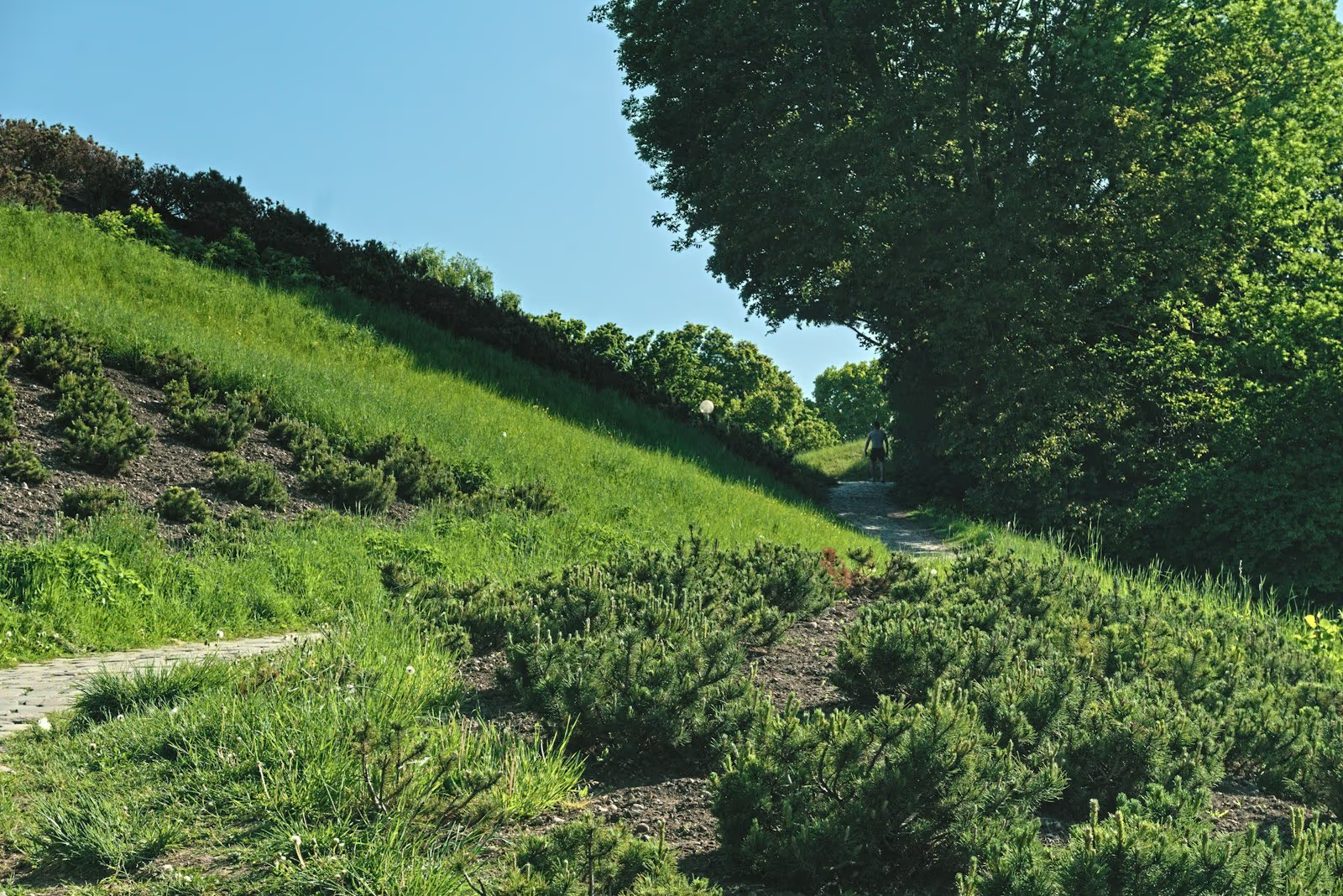
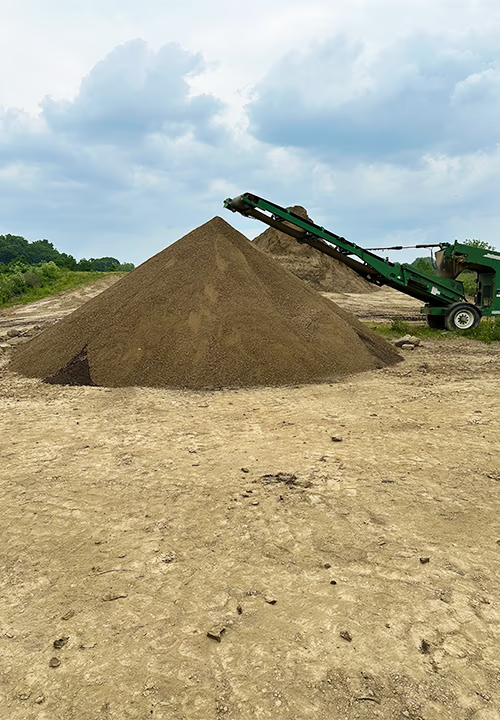
Slopes need erosion control from day one. Most South Hills lots have at least one meaningful grade, and bare soil on a Pittsburgh slope will not survive a single heavy storm intact. Hydroseeding handles this with the tackifier and mulch baked into the slurry, which bond to the surface and hold both seed and soil while roots develop. Sod on the same slope has to be staked, and on anything steep it can slip or dry out at the seams before the roots knit into the hillside. Clay has to be opened up before anything goes down. Seeding or sodding straight onto compacted clay produces a lawn that looks fine in May and browns out by its first July, because the roots never got past the first two inches. Proper prep means loosening the surface, correcting the grade so water sheds away from the house, and adding screened topsoil where the existing soil is too thin or too dense. This step is the same for both methods and it is where most failed lawns actually failed. The calendar is less forgiving here. Hydroseeding in Pittsburgh works in two windows: late April through early June, and late August through mid-September. Fall is the stronger window because new seedlings face less weed pressure and no immediate summer heat. Sod can go down almost any month the ground isn't frozen, which is its genuine advantage if your project finishes in July or November and waiting for the next seeding window isn't an option.The First Season: What Each Method Asks of You
Hydroseeding asks for diligence early: light watering two to three times a day for the first two weeks when it isn't raining, then tapering as the grass fills in. First mow comes when the grass hits 3.5 to 4 inches, usually six to eight weeks in. Skip the watering and the stand comes in thin; do it right and the lawn is fully yours by the end of the season, with roots that grew in your soil from the start.
Sod asks for heavy soaking daily for the first two weeks while the roots knit down, and staying off it entirely during that stretch. After that it needs less attention than a seeded lawn, but check the edges and seams through the first summer: on clay, poorly knitted sod lifts and dries from the seams outward.
Talk Through Your Site Before You Decide
The right call depends on the lot in front of you: the grade, the soil, the season, and the budget. Dirt Works specializes in hydroseeding for Pittsburgh properties across the South Hills, and we'll tell you honestly when sod is the better fit for your situation. Contact us for a free consultation and estimate.