
Choosing a Retaining Wall Material for Pittsburgh Terrain
Pittsburgh's hillsides keep retaining walls working harder than almost anywhere else. Steep South Hills lots, clay soil that swells against anything holding it back, and winters that freeze and thaw the ground dozens of times all load a wall year after year. The material you choose decides how the wall looks, what it costs, and how it holds up under those conditions. Here's how the main options compare for retaining wall installation in Pittsburgh.
Natural Stone Walls
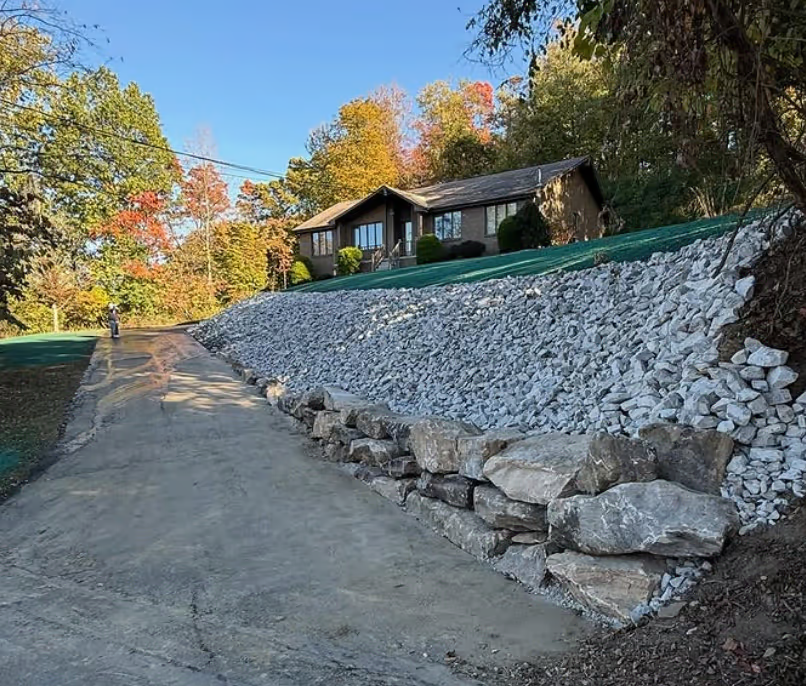
Natural stone walls use rocks quarried locally or imported, stacked either dry or with mortar. Dry-stacked stone has a long history on Western PA hillsides for a practical reason: the open joints drain freely, and in clay soil, trapped water is what pushes walls over.
Fieldstone (Dry Stack)
Irregular stones fitted together without mortar. The classic Pennsylvania farmstead look.
Pros:- Authentic, timeless appearance
- No mortar to crack or deteriorate
- Excellent drainage through gaps
- Can shift with ground movement without cracking
- Uses locally-sourced materials
- Labor-intensive installation (higher cost)
- Height limited to 3-4 feet for most applications
- Requires skilled craftsman
- May need periodic re-stacking
Cut Stone (Mortared)
Precisely cut stones set with mortar for a refined appearance.
Pros:- Clean, architectural appearance
- Can build taller walls
- More stable than dry stack
- Variety of stone types and colors
- Mortar requires maintenance
- Less forgiving of ground movement
- Needs proper drainage behind wall
- Higher material and labor costs
Concrete Block Systems
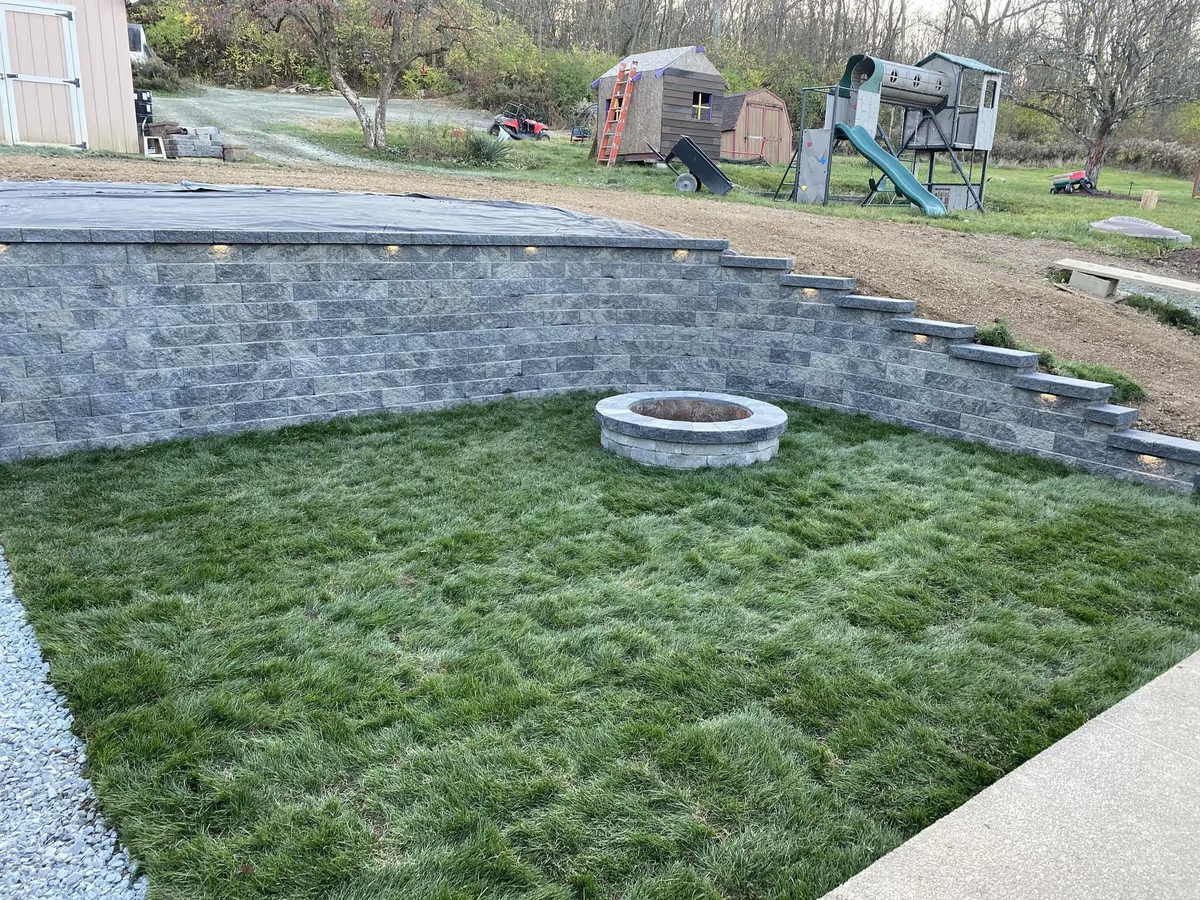
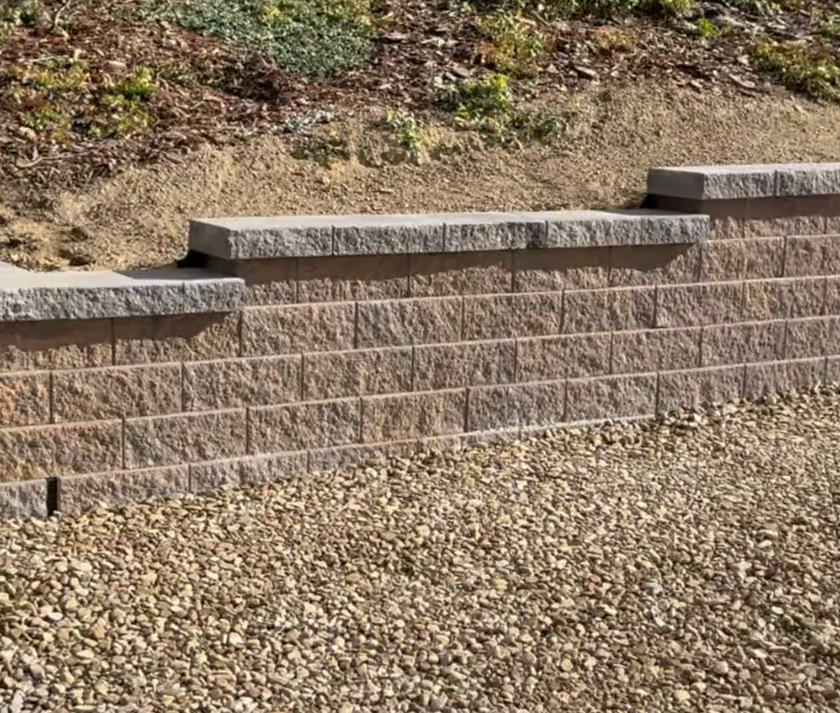
Engineered concrete blocks designed specifically for retaining walls. The most popular choice for residential applications. One Pittsburgh-specific caution: block quality matters more here than in milder climates. Budget blocks absorb water and spall apart after a few freeze-thaw winters, so stick to lines rated for freeze-thaw durability.
Segmental Retaining Wall (SRW) Blocks
Interlocking blocks that stack without mortar, relying on weight and pins for stability.
Pros:- Consistent, predictable appearance
- Engineered for structural performance
- DIY-friendly for walls under 3 feet
- Many colors and textures available
- Built-in drainage channels
- Cost-effective for most residential projects
- Manufactured look (not natural)
- Quality varies by manufacturer
- Still requires proper base preparation
- Walls over 4 feet need engineering
Allan Block, Versa-Lok, and Similar Systems
Premium SRW systems with enhanced engineering and aesthetics.
Pros:- Extensive engineering support
- Many face textures mimic natural stone
- Proven track record
- Warrantied products
- Can build taller walls with proper engineering
- Higher cost than basic blocks
- May require certified installer
- Specific system components required
Poured Concrete Walls
Solid concrete walls formed and poured on-site. On Pittsburgh clay, a poured wall lives or dies by the drainage behind it: saturated clay expands and adds lateral load, so gravel backfill and a footer drain are part of the job, not extras.
Standard Poured Concrete
Plain concrete walls, sometimes with form textures.
Pros:- Extremely strong and durable
- Can support significant loads
- Flexible in shape and height
- Longest lifespan
- Can be veneered later if desired
- Industrial appearance unless finished
- Requires forms and skilled crew
- Higher initial cost
- Cracks possible without proper reinforcement
- Needs dedicated drainage system
Decorative Formed Concrete
Poured concrete with decorative form liners that create patterns.
Pros:- Stone or block appearance
- Strength of poured concrete
- No mortar joints to maintain
- Can achieve custom looks
- Highest initial cost
- Specialized forms required
- Limited to available patterns
Pittsburgh-Specific Considerations
Our local conditions influence material choice:
Freeze-Thaw Cycles: Pittsburgh winters mean repeated freezing and thawing. This affects:- Mortar in stone walls (can crack)
- Drainage behind all wall types (must prevent ice buildup)
- Block quality (cheap blocks spall in freeze-thaw)
- Expands when wet, shrinks when dry
- Creates more lateral pressure on walls
- Requires excellent drainage systems
- Benefits from flexible wall systems
- Drainage is even more critical
- Base preparation must account for slope
- Terraced walls may be better than single tall walls
Cost Comparison
For a 50 linear foot wall, 4 feet tall:
| Material | Material Cost | Installed Cost |
|---|
| Fieldstone (dry) | $2,000-3,000 | $6,000-10,000 |
| Cut Stone | $3,000-5,000 | $8,000-14,000 |
| SRW Blocks | $1,500-2,500 | $4,000-7,000 |
| Premium Block Systems | $2,500-4,000 | $6,000-10,000 |
| Poured Concrete | $2,000-3,000 | $5,000-9,000 |
For a ballpark on your own project, our retaining wall cost estimator lets you plug in length and height and see a range before anyone visits the site.
Our Recommendation
For most Pittsburgh residential applications, we recommend quality SRW block systems like Allan Block. They offer:
- Best value for the money
- Engineered performance
- Attractive appearance
- Proven local track record
- Easier future repairs if needed
For properties where aesthetics are paramount, natural stone creates an unmatched look; just budget accordingly.
Dirt Works installs retaining walls of every type across Pittsburgh's South Hills and can help you choose the right material for your slope, soil, and budget. Contact us for a consultation and estimate.